Reflections from the 36th Alzheimer Europe Conference in Dublin
Abigail Moon – PhD researcher at the Geller Institute of Ageing and Memory, University of West London
Reflections from my first Alzheimer Europe Conference
I was delighted to attend the 36th Alzheimer Europe Conference, held in Dublin this October. As a first-time attendee, what stood out to me most was the shared international commitment to improving the lives of people living with dementia through research and policy. This was evident throughout the conference, with people from different countries, disciplines and research backgrounds brought together by this common purpose. The three days were a fantastic experience, combining opportunities to learn and reflect with meaningful conversations and new connections.
During the conference, I presented my poster titled: “Co-producing an accessible participant information video with people living with dementia in a PPI research network: processes and lessons learnt1.” This was my first presentation at an international conference, and I was initially unsure what to expect or whether people would stop to discuss my work. I needn’t have worried! Much of the day was spent speaking with other researchers, hearing about their work and sharing my own. I also recorded a short video presenting my poster for the Dementia Researcher social media channels2, allowing me to share my research with a wider audience and gain experience communicating research in different formats. More information about my PhD can be found in the ‘About me’ section below.
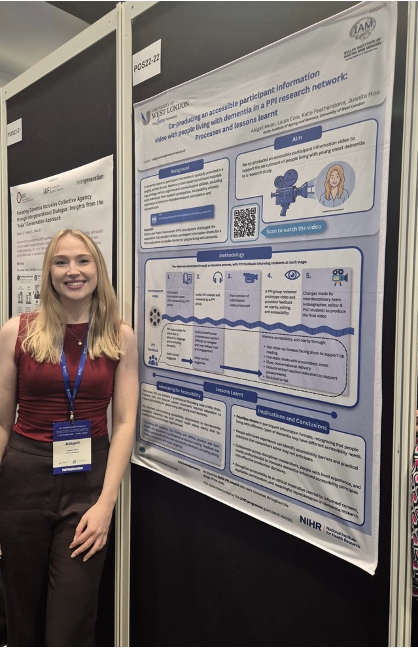
Figure 1. Presenting my research poster at the 36th Alzheimer Europe Conference in Dublin
Connecting with the INTERDEM community
The conference was preceded by a range of INTERDEM activities, including taskforce meetings covering areas such as prevention, inequalities in dementia care and methodology. Given my research interest in young onset dementia and intersectionality, I was especially pleased to attend the Young Onset Dementia Taskforce meeting and connect with members of the Context, Culture and Intersectionality Taskforce. I also discovered more about the support and development opportunities available to early career researchers through the INTERDEM Academy. Another highlight was the SPIN-D and INTERDEM networking event, which brought together early career researchers from across Europe and allowed me to meet others at a similar stage in their academic careers.
Building momentum through policy, research and partnership
The significance of this year’s conference theme, “Building momentum in dementia through policy, research and partnership,” became increasingly clear as the conference progressed. The opening day encouraged me to step back from my own research and consider the wider international research and policy landscape. I was particularly pleased to see a strong emphasis on ensuring that people living with dementia have a meaningful influence on decisions shaping both research and policy.
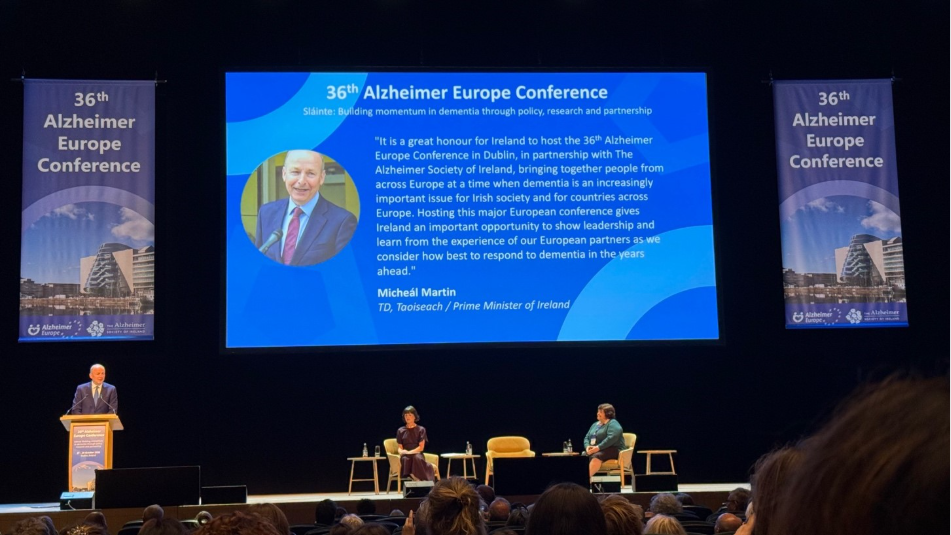
Figure 2. Micheál Martin, Taoiseach (Prime Minister) of Ireland, delivering the opening address at the 36th Alzheimer Europe Conference.
The opening ceremony included talks from the Taoiseach (Prime Minister) of Ireland, Micheál Martin, and Olivér Várhelyi, the European Commissioner for Health and Animal Welfare. Both speakers conveyed a strong sense of hope, highlighting the opportunities emerging in dementia research and care, while recognising the important role of advocacy and partnership in driving policy forward. As an early career researcher, this was a valuable reminder of the wider purpose of dementia research and the importance of ensuring that progress translates into meaningful change for people living with dementia. I left the opening ceremony feeling inspired and excited for the days ahead.
Highlights from the conference programme
On day one, I attended two presentation sessions. The INTERDEM Academy “Publish or perish? Navigating dementia research” session offered engaging insights into academic publishing, with perspectives ranging from early career researchers to a journal editor. A highlight of the day was the parallel session, “Connecting the dots in young onset dementia: from brain research to family support.” Given my personal and research interest in young onset dementia, I was keen to hear about research spanning neuroscientific approaches to psychosocial interventions. My PhD focuses on the psychosocial aspects of young onset dementia and uses qualitative methods, so the presentations on neuroimaging encouraged me to engage with research outside my usual area of focus and broaden my understanding of the different approaches contributing to the field.
A highlight of day two was the parallel session, “Dementia care in rural areas.” I particularly valued hearing directly from a person living with dementia in a rural community, including their experiences of involvement in research. The session explored challenges associated with supporting people living with dementia in rural and coastal communities across the UK, alongside approaches to understanding and addressing these. The session also resonated with my own research interest in intersectionality, highlighting how geographical location can intersect with other aspects of people’s lives to shape their experiences of dementia and access to support. Hearing a personal perspective during the session reinforced the importance of centring lived experience in research, policy and practice when seeking to understand how intersecting social circumstances shape people’s lives.
On day three, I enjoyed learning about the INTERDEM Methodology Taskforce’s work in relation to the current UK MRC framework during the session “Innovative methodologies in dementia (METHODEM).” The conference closed on an uplifting note with a performance from the wonderful Forgetmenots choir from Dublin.

Figure 3. Inside the Convention Centre Dublin, venue for the 36th Alzheimer Europe Conference
Looking back
My first Alzheimer Europe Conference was a memorable and rewarding experience. Presenting and discussing my research in an international setting strengthened my confidence, while conversations throughout the conference helped me to develop existing networks and build new connections with researchers from across Europe. The breadth of sessions I attended also broadened my understanding of different approaches to dementia research and introduced perspectives that I will take forward in my PhD research and wider academic development. I left feeling more confident, motivated and excited about the direction of my research and the opportunities ahead. I would strongly encourage other early career researchers to attend the Alzheimer Europe Conference and explore the opportunities available through the INTERDEM Academy.
About me:
I am a PhD researcher based at the Geller Institute of Ageing and Memory (University of West London) supervised by Professor Juanita Hoe, Professor Katie Featherstone and Dr. Laura Cole.
My PhD research aims to explore the lived experiences of people with young onset dementia. Using an intersectional theoretical framework, it aims to investigate how social location, marginalisation and systems of power and oppression shape (i) lived experiences, and (ii) how these are expressed through personal narrative accounts. The research also aims to generate first-person narrative accounts written by people living with young onset dementia to examine how lived experience intersects with social identity, socio-structural inequalities, and policy gaps.
This PhD studentship is funded by the National Institute for Health and Care Research (NIHR) as part of the Lived Experience Narratives in Dementia (LEND) programme at the University of Nottingham. LEND aims to improve quality of life for people living with dementia and their care partners by developing and evaluating a narrative-based intervention (https://www.dementianarratives.org/).
This PhD study is funded by the NIHR [Lived Experience Narratives in Dementia Programme Grant (NIHR206255)]. The views expressed are those of the author and not necessarily those of the NIHR or the Department of Health and Social Care. [1] Moon A., Cole, L., Featherstone, K., & Hoe, J. (2026) Co-producing an accessible participant information video with people living with dementia in a PPI research network: processes and lessons learnt, 36th Alzheimer Europe Conference, Dublin, Ireland, October 27-29. [2] Dementia Researcher video: https://www.youtube.com/watch?v=EuJ_DdejeZ4&list=PLI6G2KqA8qSo&index=14